


7scom | The Rise of Strategy Games: Navigating the Complex World of Tactical Mastery
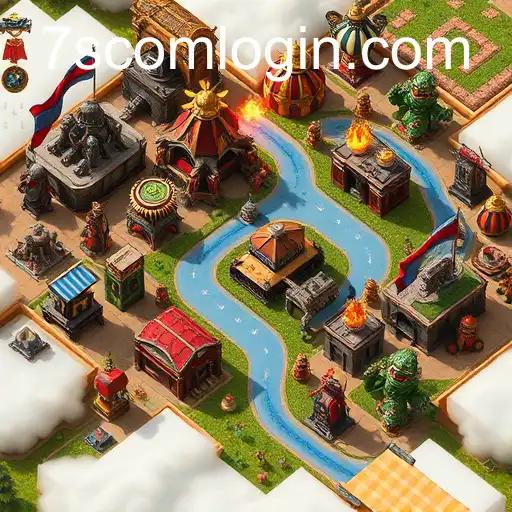
In the ever-evolving realm of video gaming, strategy games have steadfastly held their ground as a bastion of intellectual challenge and tactical engagement. Known for their rich layers of complexity and requirement for nuanced decision-making, strategy games attract a diverse range of players who revel in the mental gymnastics required to succeed. The genre, often characterized by games involving real-time strategy (RTS), turn-based strategy (TBS), and grand strategy, has seen a renaissance in recent years due to the rise of indie developers and innovations in gameplay mechanics.
One of the defining features of strategy games is their ability to simulate the intricate dance of military and economic management. Titles like 'StarCraft II,' 'Civilization VI,' and 'Age of Empires' not only test the player's ability to outmaneuver opponents on the battlefield but also on logistical and diplomatic fronts. These games demand a strategic mindset, where planning several moves ahead and anticipating an adversary's actions are crucial to achieving victory.
The appeal of strategy games lies in their unique blend of challenge and creativity. Players must meticulously plan and execute their strategies while adapting to ever-changing battlefield conditions and threats. This balance of control and contingency makes each game a unique experience, offering limitless replayability as players devise new tactics and explore different strategie paths to overcome challenges.
Moreover, the social aspect of strategy games cannot be underestimated. Many of these games boast vibrant online communities where players from around the world join to compete, collaborate, and share strategies. This community-driven element fosters a sense of camaraderie and competition that enhances the overall gaming experience, encouraging players to refine their skills and engage with a broader gaming community.
As technology advances, developers continue to push the boundaries of strategy games. Enhanced AI, more immersive storytelling, and the integration of new technological trends like VR and AR are set to transform the strategy landscape. These innovations promise to offer even deeper engagement, challenging players to adapt and thrive in increasingly complex and realistic virtual environments.
The enduring appeal of strategy games is their capacity to challenge the intellect and reward foresight. For those seeking a gaming experience that marries tactical complexity with strategic depth, the world of strategy games elicits not only enjoyment but a profound sense of satisfaction as players navigate the multifaceted challenges these games present.
